
You wake up one morning and decide it is finally time. You want that dream bathroom you have been scrolling past on social media. But before you start ripping out tiles, a pressing question usually stops homeowners in their tracks: how long does it take to renovate a bathroom?
It is a fair question. Nobody wants their home to be a construction zone for months on end. Understanding the timeline is crucial for managing your daily life, especially if you only have one bathroom. While TV shows make it look like a weekend job, the reality of home remodeling involves more planning and steps.
This blog will break down the renovation process, help you set realistic expectations, and answer exactly how long bathroom renovation projects of various sizes take.
Setting Realistic Expectations
First, let’s address the big picture. How long does it take to do a bathroom renovation on average? Generally, a complete overhaul takes anywhere from 3 to 5 weeks. However, this varies wildly based on scope. A simple cosmetic refresh might take two weeks, while a luxury master bathroom gut renovation involving structural changes could stretch to six weeks or more.
Many homeowners underestimate the time required for material selection and the pre-construction phase. Before a single hammer swings, you need to finalize your design, order materials, and secure any necessary permits. If you skip these steps, you risk delays once the work begins.
The Bathroom Renovation Timeline: Phase by Phase

To understand how long it takes to renovate bathroom spaces, we need to look at the specific stages. Here is a typical schedule for a standard bathroom remodel timeline.
Phase 1: Demolition (Days 1-2)
Out with the old! The first step is removing your existing bathroom fixtures, flooring, and drywall if necessary. During a gut renovation, this is messy work. If you are just replacing a vanity and toilet, this goes much faster. This is also when an experienced contractor looks for hidden problems like water damage or mold behind the walls.
Phase 2: Rough-In Plumbing and Electrical (Days 3-5)
Once the space is stripped, the rough-in work begins. This involves moving or updating plumbing lines and running new wiring for electrical work. If you are changing the layout—like moving a toilet or shower—this stage takes longer. You might need a specialized contractor for these licensed trades. This phase often requires a rough inspection from the city.
Phase 3: The Construction Phase (Days 6-10)
Now the rebuilding starts. This includes framing new walls, installing insulation, and hanging drywall or cement board in wet areas. If there are structural changes planned, they happen here. This creates the skeleton of your new bathroom.
Phase 4: Tiling and Flooring (Days 11-15)
This is often the most time-consuming part of the renovation process. Laying ceramic tile or natural stone requires precision. The tile needs time to set, and then it must be grouted and sealed. Whether it is a floor or a complex shower surround, this stage requires patience. Rushing here leads to sloppy results.
Phase 5: Installation and Finishing Touches (Days 16-20)
We are in the home stretch. This phase involves installing fixtures like the toilet, vanity, sink, and faucets. The light fixture installation happens now, along with painting, hanging mirrors, and installing accessories. These final touches bring the room together.
Phase 6: Final Inspection and Cleanup (Days 21+)
A final inspection ensures everything meets code. After a deep clean, your bathroom renovation is officially complete.
Factors That Influence the Schedule
You might be asking, “how long does it take to renovate a small bathroom compared to a large one?” Size matters, but complexity matters more.
1. Scope of Work
Are you just replacing fixtures, or is this a full remodel of a bathroom project? A simple “rip and replace” is fast. However, moving plumbing lines, knocking down walls, or adding a new window adds days or weeks to the timeline.
2. Material Availability
Supply chain issues can halt progress. If your special-order material or specific vanity is backordered, work stops. We always recommend having all fixtures and tiles on-site before starting demolition. Material availability is the most common cause of avoidable delays.
3. Unexpected Issues
In home remodeling, surprises are guaranteed. Once we open the walls, we might find rotting subfloors, old galvanized pipes, or outdated electrical wiring. Addressing unexpected issues is non-negotiable for safety, but it does extend the schedule.
4. Size of the Room
Smaller bathrooms or powder rooms generally take less time simply because there is less surface area to tile and paint. However, a small bathroom remodel can still be tricky because tradespeople (plumbers, electricians, tilers) cannot work in the tight space simultaneously. In larger bathrooms, multiple pros might be able to work at once, potentially speeding up parts of the construction.
Read More: How Bathroom Renovations in Gravenhurst Can Increase Property Value
Detailed Time Estimates by Bathroom Type
Here is a quick breakdown to answer how long to renovate a bathroom based on type:
- Powder Room (Half Bath): 1–2 weeks. Usually involves a toilet, pedestal sink, and flooring.
- Small Full Bathroom (Guest Bath): 2–3 weeks. Standard tub/shower combo, vanity, toilet, and tile.
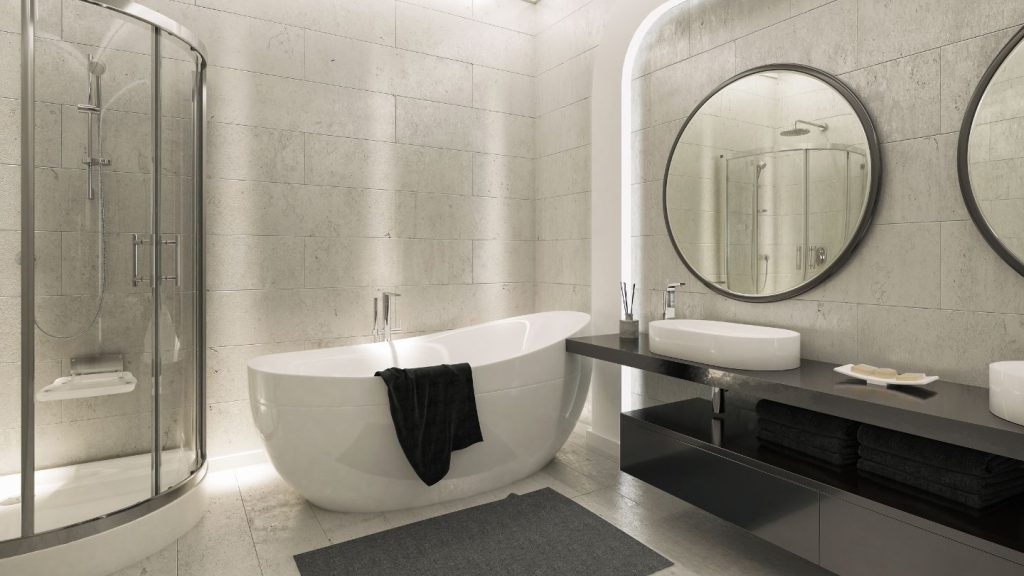
- Master Bathroom Suite: 4–6+ weeks. Often includes a double vanity, separate tub and shower, extensive tiling, and perhaps radiant floor heating.
DIY vs. Hiring a General Contractor

Many homeowners consider DIY to save money. However, if you are asking the duration for a bathroom renovation, ” If I do it myself?”, the answer is usually: double or triple the time of a pro.
A general contractor manages the workflow efficiently. They schedule the plumber to arrive exactly when the framing is done, and the tiler to arrive right after the plumbing rough-in. When you DIY, you often work evenings and weekends, and you might struggle to coordinate with subcontractors.
An experienced contractor also navigates necessary permits and inspections faster than a homeowner can. If you want a bathroom remodel done quickly and correctly, professional help is usually the best route.
Why Timelines Drift
We want to help you maintain realistic expectations. Even with the best planning, a timeline can shift. Perhaps the ceramic tile you selected is out of stock, or the drywall takes an extra day to dry due to humidity.
Changes mid-project also cause delays. If you decide to add a recessed niche in the shower after the framing is up, the construction team has to backtrack. Sticking to your original plan is the best way to ensure a timely finish.
Conclusion
So, how long does it take to renovate a bathroom? While 3 to 4 weeks is a safe average for a standard full bath, every home is unique. By planning ahead, choosing materials early, and hiring the right team, you can minimize downtime and enjoy your dream bathroom sooner. Whether you are updating a small bathroom or creating a spa-like retreat, patience and preparation are your best tools for a smooth renovation process.
If you are ready to start your project and want a team that respects your time and home, Jerry Home Renovation is here to help. We specialize in efficient, high-quality bathroom renovations in Bracebridge, delivering beautiful results with clear timelines and professional care. Contact us today to discuss your vision and get a precise estimate for your renovation.