Water problems rarely wait for a convenient moment, which is exactly why homeowners want a clear answer before committing to a repair. Not knowing what to expect can make it hard to plan around contractors, rearrange storage, or budget your week accordingly. This blog covers the factors that shape a basement waterproofing timeline, from the first inspection through final cleanup, so you know what a realistic schedule actually looks like. Understanding these details in advance helps homeowners feel prepared instead of caught off guard once work begins.
Key Takeaways
- Timelines vary based on the waterproofing method, basement size, and severity of the water issue.
- Interior systems are usually quicker to install than full exterior excavation work.
- Weather and soil conditions can add or subtract days from the schedule.
- Permits and inspections are often needed and should be factored into planning.
- A clear day-by-day plan from your contractor helps prevent surprises.
What Actually Determines the Waterproofing Timeline
No two basements face the exact same set of problems, so no two waterproofing projects move at the exact same pace. A contractor first has to determine whether water is entering through the foundation walls, the floor, window wells, or a combination of these areas. That assessment alone shapes almost everything that follows, including which materials are needed and how much excavation or interior work is involved. Homes with older foundations or unusual layouts sometimes require extra time simply because the crew needs to adapt their approach as they uncover the source of the problem.
Access also plays a bigger role than most homeowners expect. A basement with plenty of open space around the exterior walls allows equipment to move freely, while a home with tight side yards, mature landscaping, or a finished basement interior can slow the process considerably. Before any estimate is finalized, it helps to walk through these details with your contractor so the projected schedule reflects your home’s actual conditions rather than a generic average. Homeowners who ask questions during this initial walkthrough tend to have a much smoother experience once the actual work begins, since surprises are far less likely when the plan already accounts for the home’s specific layout.
Interior vs Exterior Waterproofing: Why the Approach Changes the Schedule
Interior waterproofing systems, such as drainage channels installed along the base of the foundation walls, tend to move faster because they do not require digging around the outside of the home. Many interior projects wrap up within a few days once the plan is set, since the work happens entirely inside the basement and is less dependent on outdoor conditions. This approach is often chosen when the goal is managing water that has already found its way inside rather than stopping it at the source.
Exterior waterproofing takes longer because it involves excavating around the foundation to apply a waterproof membrane and improve drainage from the outside. That process includes digging, curing time for certain materials, and careful backfilling once the work is complete. It addresses the root cause of water intrusion rather than just managing it indoors, which is why many homeowners consider it worth the extra time for a more permanent solution.
How Basement Size and Water Damage Severity Affect Timing
Larger basements naturally take longer to waterproof simply because there is more foundation wall or floor space to address. A compact basement with a single problem area can often be handled efficiently, while a sprawling lower level with multiple entry points for water requires a more involved plan. Severity matters just as much as size, since a minor issue calls for a very different scope of work than one that has caused ongoing structural concerns.
Minor Moisture Issues
Light dampness or occasional seepage can often be resolved with targeted repairs, such as sealing cracks or improving a single section of drainage. These projects typically move quickly because the crew is addressing a contained problem rather than reworking the entire foundation perimeter.
Extensive Water Damage
When water has been an ongoing issue for years, additional time is often needed to repair damaged materials, address mold concerns, and reinforce weakened areas before waterproofing can even begin. This groundwork is essential, since sealing a basement without resolving underlying damage rarely holds up over time.
Weather and Soil Conditions Can Speed Things Up or Slow Them Down

Exterior waterproofing is especially sensitive to weather, since heavy rain can delay excavation and affect how well certain materials cure. Frozen or saturated ground also makes digging more difficult and time-consuming, which is why many contractors recommend scheduling exterior work during drier stretches of the year when conditions are more predictable.
Soil type matters too. Clay-heavy soil holds water and tends to be denser, which can slow excavation compared to sandy or loose soil that is easier to move. A contractor familiar with local ground conditions can usually give a more accurate estimate than a generic timeline, since they already know what to expect once digging begins. This kind of local knowledge often makes the difference between an estimate that holds up and one that changes once the crew is on site.
A Realistic Day-by-Day Look at the Process
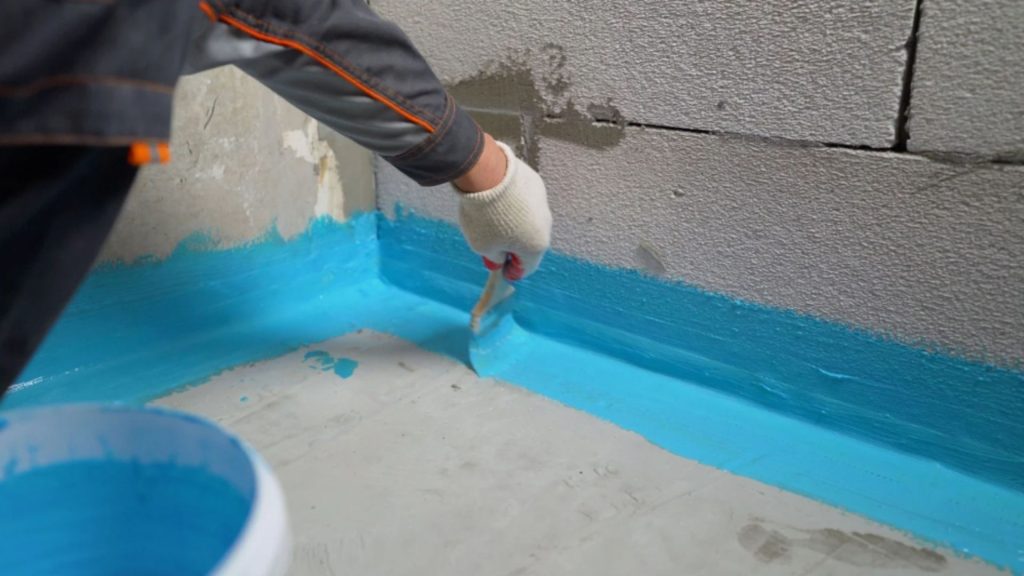
Most projects start with an inspection and consultation, where the contractor identifies the water source and outlines the recommended approach. Once a plan is approved, interior work often begins with removing any affected flooring or materials near the foundation, followed by installing drainage systems and sealing the area. Exterior projects add excavation, membrane application, and backfilling to that sequence, which naturally extends the overall timeline.
Cleanup and final inspection close out the project, giving homeowners a chance to walk through the completed work before the crew leaves. Having a written schedule from your contractor, even a rough one, makes it far easier to plan around daily life while the work is underway. It also gives you a clear reference point if any part of the timeline shifts, so you know exactly which phase the project is in at any given moment.
Permits, Inspections, and Prep Work That Add to the Timeline

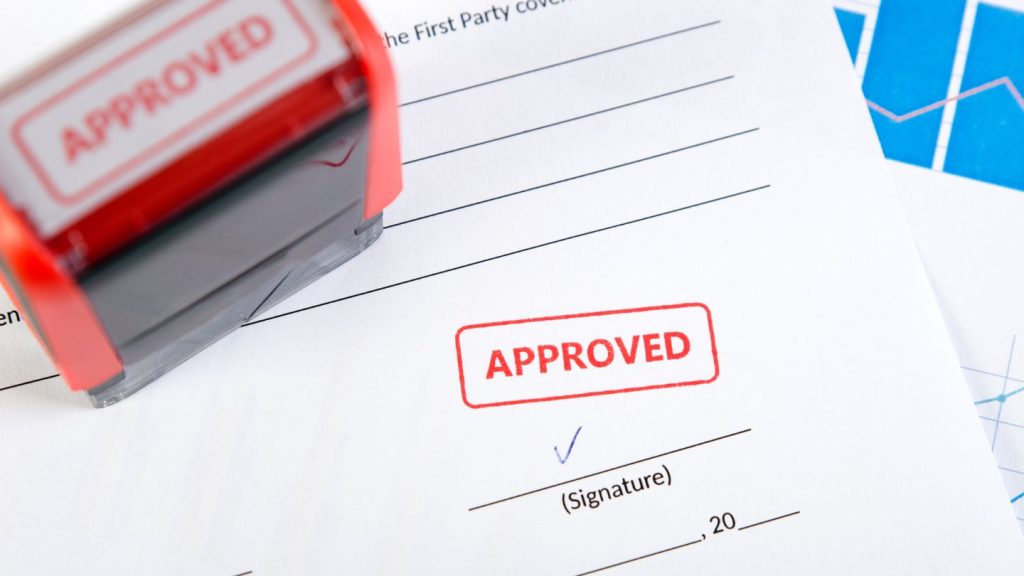
Depending on the scope of the project, permits may be required before excavation or structural changes can begin. Securing these approvals takes time, so it is worth asking your contractor early on whether your project needs one and how long approval typically takes in your area. Skipping this step is not an option, since it can lead to delays or complications later in the process. Reputable contractors usually handle this paperwork on your behalf, but it still adds a few days to the front end of the schedule that homeowners should plan for.
Preparation work, such as clearing furniture, moving stored items, or protecting landscaping near the foundation, also factors into the overall schedule. Taking care of these details before the crew arrives helps the project move along without unnecessary interruptions once the work actually begins.
Signs Your Waterproofing Project Is Staying on Schedule
A well-run waterproofing project usually shows a few clear signs along the way. Materials arrive on time, the crew communicates any changes to the plan promptly, and each phase of the work, from excavation to sealing to backfilling, progresses without long unexplained pauses. Regular updates from your contractor are one of the best indicators that the timeline is being managed carefully rather than left to chance.
If delays do happen, a trustworthy contractor will explain exactly why, whether it is weather, an unexpected discovery during excavation, or a material lead time. Clear communication throughout the project matters just as much as the finished result, since it keeps homeowners informed and confident that the work is being handled properly from start to finish.
Getting Your Basement Waterproofed the Right Way
Basement waterproofing timelines depend on a mix of factors, including the method used, the size and condition of the basement, weather, soil, and how much preparation is needed before work can start. Interior systems tend to move faster, while exterior solutions take longer but often address water problems at their source. Knowing what influences the schedule helps homeowners set realistic expectations and plan their week around the project with far less stress. Whether your basement needs a quick fix or a more thorough solution, understanding the process ahead of time makes the entire experience smoother from start to finish, and it puts you in a much better position to ask the right questions before work ever begins.
A leaking basement rarely happens at a convenient time, so getting it addressed quickly matters. For homeowners looking for basement waterproofing in Muskoka, Jerry Home Renovation provides a clear plan, straightforward recommendations, and an honest timeline from the start. Once the basement is dry, plenty of homeowners find themselves eyeing the next project, whether that means a fresh coat of painting to brighten things up, an update to bathroom renovations that have seen better days, more room to breathe with cottage renovations, a deck built for long summer evenings courtesy of our decking team, or the kitchen renovations you have been putting off for years. If dampness has you second-guessing your basement, contact us, and we will map out exactly what your timeline looks like before our crew ever sets foot inside.